

The success of a business isn’t just about the people closing deals or leading projects. Sometimes, the most valuable people are the ones working behind the scenes.
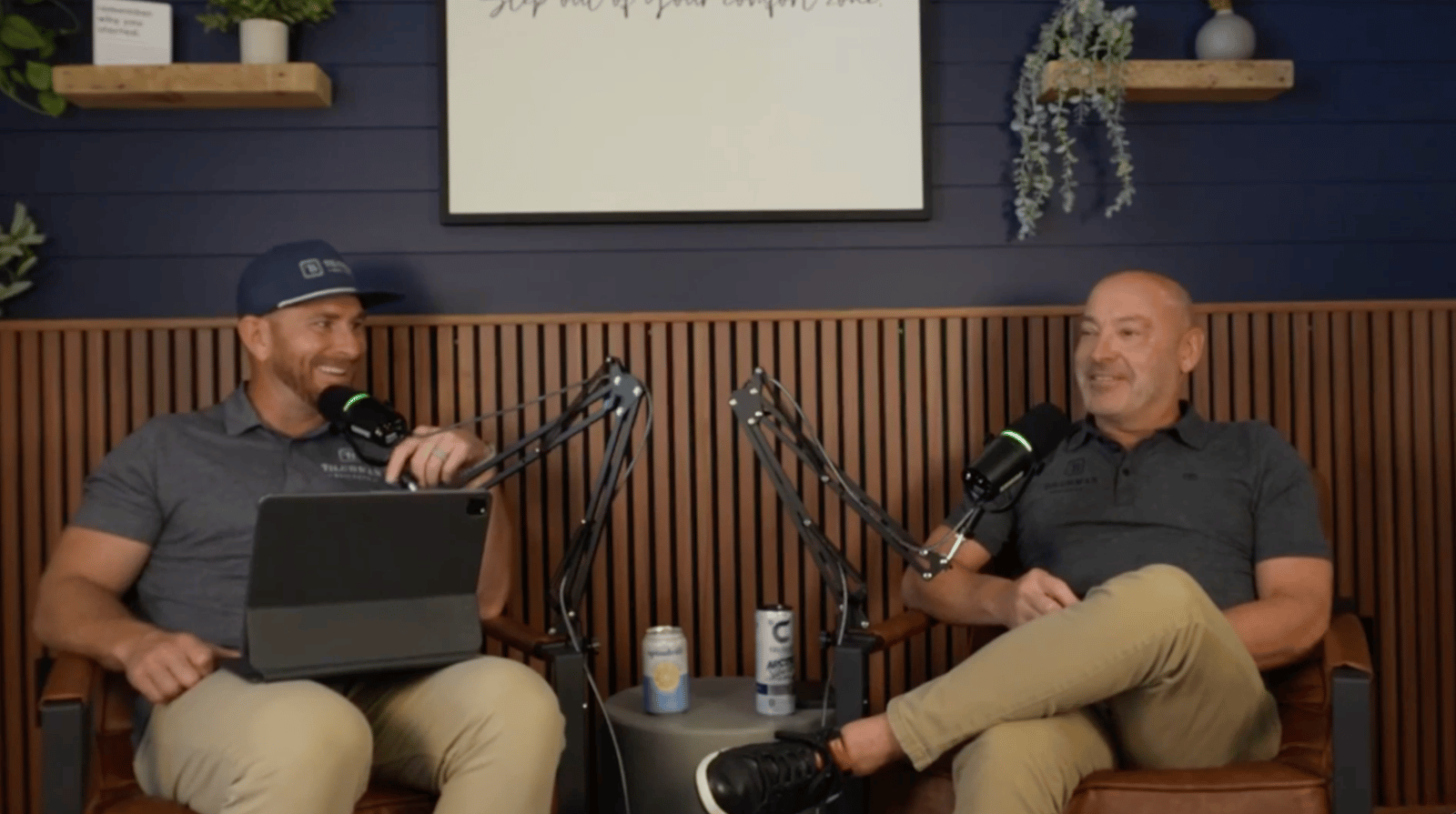
In this episode of the Built Different Podcast, Eric Tilghman sits down with Tilghman Builders Business Manager Al Drechsel to discuss leadership, loyalty, company culture, and the importance of the people who keep everything running.
From building systems and supporting employees to creating memorable customer experiences, Al shares what it takes to help a growing company succeed.
Together, they explore the power of trust, strong relationships, embracing responsibility, and why a great company culture is built by everyone—not just its leaders.
Because sometimes the most important person in your business is the one making sure everyone else can do their job.
WATCH HERE:
Follow and listen to other episodes here:
 |
 |
 |
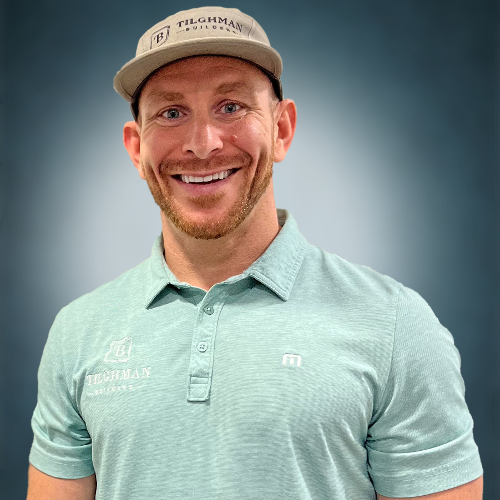
Eric: Hi everyone, welcome back to another episode of the Built Different Podcast. I'm Eric Tilghman, your host and the CEO of Tilghman Builders. Today's guest is someone who is incredibly important to me, both professionally and personally. He's been with Tilghman Builders for about four years, and I can confidently say that this company would not be what it is today without him. His name is Al Drechsel, and his title is Business Manager.
Now, the funny thing about the title is that we couldn't figure out what to really call him, because he does just about everything. He handles our accounting, insurance, licensing, employee onboarding, benefits, company events, rental properties, and about a hundred other things that other people do not see, including me. He's also the first voice that our prospective clients hear when they call Tilghman Builders. But really, none of those responsibilities explain what makes Al so special to me.
Al is one of the most supportive, thoughtful, and loyal people I have ever worked with. As a business owner, I spend a lot of my time thinking about how to support my people. Al is one of the few people who consistently thinks about how to support me, and that means more to me than he probably realizes. He's funny, he's organized, he genuinely cares about people, and he brings something to this company that you simply cannot teach. I love this guy to my left. And today I want you to get to know him. Don't cry. Don't cry.
Al: Thanks for having me.
Eric: Yeah, that's enough compliments.
Al: This is a love-hate relationship.
Eric: Yes, it is. Okay, good point. So truth is, Al and I were supposed to do this podcast four months ago or something. He was one of the first people I was gonna have on. Easy pick. He's my guy, you know. But we got into a fight that week.
Al: Yep. That was the hate part of the relationship.
Eric: Yeah. We had the podcast scheduled, then we had a few days leading up to the pod, and by the morning of the pod we were like, nope, not happening. Energy's off, can't do it. You know, I hate you.
Al: You hate me.
Eric: But anyway, we've had a hot streak. This is what happens in a healthy culture. I think people sometimes are gonna get on each other's nerves. I love my wife, but sometimes she drives me crazy, and I'm sure she has it a little worse than me, and vice versa. But we love each other, right? Same kind of thing here. So thanks for coming on, dude.
Al: Absolutely, man. I'm glad we're back.
Eric: Do you remember your first impression of me and the company?
Al: Yeah, and I still don't know why I took the job. We met on a job site. You were finishing up a job for a lead that needed some help, some guidance, and we met there. From there, we set up a time for an interview up the street to see what you guys could offer and what I could offer you guys, to see if it's a good fit for all of us.
Eric: What made us the right fit?
Al: What made you guys the right fit was I was looking for a company that had great values and growth. And it was odd, because the job that you were looking to fill and the job that I was looking for, we kind of didn't know what it was gonna be. I thought that was a great fit, because neither of us knew what we needed, but I knew what I could provide you guys, and it seemed like a good fit with what you were looking for. And we kind of just crafted this position. Like you said, we didn't even know what to call what I did, because we didn't know what it was I did do.
Eric: Yeah. We hire or promote a lot of people in this company for positions that we don't quite know. We're not quite ready, they're not quite ready, they're underqualified, whatever. Not that you were in this case. But as you're saying all that, I'm going back to that time and I'm thinking, yeah, this totally worked out. I mean, we weren't the company we are today.
Al: No, not at all. Completely different, I would say. A hundred percent different path, different everything. And you and I took a lot of processes, and even if there weren't processes, we created stuff. We created a lot of automation to start that whole "where are we gonna be."
Eric: Yeah. We took a leap of faith. I think both of us did. And it doesn't always work out. I could think of ten things that didn't work out in similar situations, where we were like, I don't know, it feels right, we're just gonna go for it and figure it out. But for you, it didn't just work out. It was perfect, you know? So how would you describe your job to someone who has no idea what you do?
Al: My job is very interesting because of all of the pieces of, if you want to call this a puzzle, that I touch. And because of my work ethic, I don't mind jumping into multiple different areas, because I know that either I can do it or I can help in that situation. So my job, as you said, I'm the first "Hey, welcome to Tilghman Builders" for customers. "Here's your project," talking to them about it, passing it off to sales. New hires, the same thing. I try to be that person, like when they're interviewing, "This is who I want to work with." The office guys and the field guys are all the same. And I know that was a huge thing that you wanted to keep in the culture. In a lot of companies, and we've talked about it before, there's always the field and the office. Either the field doesn't like the office, or the office doesn't appreciate the field. And none of it works unless they all get along. So I always thought, I'm the liaison, keeping all that flowing, where the field feels comfortable coming into the office, where they don't feel like an outsider. Because I don't want that feeling. That's not good.
Eric: Yeah, I'm glad that's important to you, because that is important to me. And I felt that way when I was in the field. I mean, gosh, when I was in the field, it was Bob, Joanne, and Dot. They were always hunting us down for receipts and doing office people stuff, like we do. But there was a divide, and I did pass judgment on all of them. I mean, geez, two of them were my parents, and one of them was just doing her job. And I'm sure they passed judgment on me. We were not connected. So I'm glad that's important to you. And I'll tell you, when guys come to the parking lot, they gotta drop stuff off in the garage or the yard, whatever. More times than not, they come in. They come in, they grab a soda, they walk through, they say what's up.
Al: A hundred percent. And if I see them in the parking lot and I'm not tied down doing something, I always want to go out and be like, "Yo guys, what's going on? You need anything? You need some hoodies, need some shirts?" Whatever we have that we can provide them. Because a lot of times, they don't want to ask, or they feel like they can't ask. So I like to always have that open "Hey, what do you need?" Be a face out there.
Eric: And you're cool with them. You're not a dorky guy.
Al: Well, thank you.
Eric: You're a cool guy. You're fun to be around, you're lighthearted, even if you've got stuff going on, which you always do. You mask that. The guys like you, there's no doubt. I mean, they love you. And I think a big part of our conversation today is trying to fix a company's culture. I set out on this. This was an idea in my head, and then I had to convince others to get on board with it as well. Some did, some didn't. But the culture that is today was not built only by me. Maybe the culture we had three or four years ago was built by me. But then along the way, we picked up certain people, you're one of them, that help feed your corner of the culture. And you know that's true. So for anybody listening, that's the way this works. You have this idea, you throw a whole bunch of stuff at the wall, you hope something sticks. You do some hiring, they don't work out. You get one, boom, that works out, and then they help, because you can't be everywhere.
Al: And at this point, when someone comes in to be interviewed or onboarded, I don't know if it's a sixth sense or not, but you kind of know. "All right, this person's skill set isn't there, but you know they're gonna be a good fit." Like, "Hey, this person may not be a carpenter two or a carpenter one, but they have everything else, and we can give them the tools they need to go to the next step." So that is huge too, because I know that you've taken a chance on some people where normally we'd be like, "They check all the boxes, but maybe not." And we've run with it, and it's been great. Young guys that we've taken in that maybe didn't have a direction, and all of a sudden they turn out to be like, "Wow, this is gonna be our next upcoming lead." I've seen it.
Eric: Yeah. We're watching it happen right now with Joe.
Al: Joe, yeah.
Eric: You can teach skills, but you can't teach people how to be a good person, or personality, or whatever. Most of culture really happens at the hiring. It really does. Now, I think that young guys are hungry for a culture like ours, especially in construction. Construction is rough. I always say it's rough. I gotta think of more words to describe it.
Al: What I've seen, and you've seen, is if they're coming here, they've definitely been at least three other places. They've bounced around because they just haven't been able to find the right atmosphere, the right support, or they just don't like the company, period. So a lot of them that have bounced around have come here and have stayed. And because they're consistently working here, the crews are great. They have the support from the office down to the helpers.
Eric: Yeah, and they get an opportunity to be taught. Really, in our company, the leads, they're all good dudes. And they teach. They don't teach everybody, but once you show them that you're here and you're focused and you show up every day, they give you the opportunities. I'm kind of proud of that, because there's a lot of gatekeeping and withholding information in, I think, all industries, but I would say especially in construction. I was talking to a customer yesterday, and her son is 18 and he's looking for a direction in life. And I'm like, "If he's got any interest in carpentry, please send him my way." I love carpentry, number one. But number two, I always think every young dude that comes into this company, I feel funny saying it, but I always think, "Dude, this is like an opportunity of a lifetime."
Al: A hundred percent. We had a summer intern, same situation. A customer's son needed a job, and we needed a summer position. He was kind of up for it. He didn't really know what he liked until he got here and realized that his path is gonna be carpentry. And he's looking forward to coming back this summer, and maybe from there, staying. I don't know.
Eric: Yeah, be good. So let's talk about the work that nobody sees. What's something that you do regularly that nobody in the company even realizes you're responsible for, or that even has to get done? And it could be me. I come into your office sometimes, and you're buried in papers and you've got your weird calculator that makes a bunch of noise, and I'm just like, "I don't even know what he's doing."
Al: There are things on my calendar, obviously tasks and things that have to be done. But then there's all the behind-the-scenes stuff that just gets done. Such as this building. This building just has to operate. So interior, exterior, outside, cleanup, tenants. All of that is in my internal schedule. It's not written anywhere, but it just gets done. Making sure that the tenants' apartments are ready, making sure that the batteries in the smoke detectors are changed out. I'm not writing a reminder. Those are just things I know have to be done, because it has to be on point. Maybe it's just the way I was brought up, or just my work ethic. My job is almost like a party. Not that this is a party, but when you organize a party, everything has to be set up so that no one has to want or ask for anything. It's just already there. And those things behind the scenes of a party, when you show up, everything's in place. That's how this has to be. So you don't have to ask, "Hey, is that report on so-and-so done?" It's under your keyboard, as you probably saw this morning.
Eric: I did.
Al: So things like that, I don't need to put somewhere. I just know that's part of my job. It needs to happen.
Eric: Yeah. As you were talking, I'm thinking about the lawnmower guys, the snowplow guys. I don't even know their names or numbers. I have no idea who they are.
Al: That's all preset. Mums are out in the flower beds, it's all ready for Thanksgiving. Done, finished.
Eric: That brings me to my next thing. You set up the parties, you set up the team meetings, the team events. I mean, gosh, when we do that summer party, at least this year and probably last year too, on bigger events, a lot of times you'll notice I stay away most of the day. I work from home, maybe I work out later in the day, and then I grab a shower and I come in. And it's not so that I can avoid helping set up. It's just, I want to be in a really good headspace. It's not often that I get to be around the field guys, so I just like doing that. But man, every time I do that and I show up an hour before an event, or just on time for a team meeting or whatever it is, everything's done. And that is massive for me, because I used to be the one that would have to show up three hours early, fill the coolers with drinks, pop up the tent. At one point, it was me running around doing things that I thought were important, but nobody else really cared about. And now you do a lot of those things, and I appreciate that. It just makes for that whole experience. And I'm all about the experience, because that's my thing here. Why would someone use us? It's that experience. So if that experience is what we're doing well amongst ourselves, then when we do this with a customer, it's just perfect. It just has to flow.
Al: I agree. I totally agree.
Eric: Do you think about the experience of our team members? The guys in the field, do you think about their experience too? Is that important to you?
Al: A hundred percent. Like I said, bringing it back to a party, I want everything to be perfect, so that for someone from the outside or someone from our team, it should just flow. Things should be done. They should show up to this team event, and that's their downtime. Even though I'm running around like, "Get that, get that," just to make sure we have enough, I don't mind. That's fun. But it's fun because I know that everybody else has been taken care of.
Eric: That's cool. That's who you are, dude. That's a good trait, man. And I'm glad you're here and not somewhere else. What's the strangest, or most ridiculous, thing that you've ever had to handle at Tilghman Builders?
Al: Ordering the perfect plasticware. Oh my gosh. That's probably the strangest thing I've ever had to handle. And we're gonna leave it at that.
Eric: Good one. That is a good answer. That's funny. And guess what, man? Now we have the best plasticware. We've got the best plasticware ever.
So I touched on it earlier, and I just touched on it now, and I think you've already answered it. But really, you genuinely look out for me. You treat me like an owner more than anybody else in this entire company. And I don't mean that like you kiss my ass or anything like that. That's not our relationship. But you seem to understand that sometimes I just need things. Maybe when I ask you to do something, I know that you prioritize that, but that's not what I mean. I mean more like, I call you in the middle of the day, I decide I need some space, I'm working from home or whatever it is. And you're like, "Hey, you coming in?" And I'm like, "Nah, I got stuff I gotta do, I gotta clear my head." And you're like, "Good, do that. We're here." You just understand. What am I trying to say? I feel like nobody understands what I'm going through more than you. Not that I'm at war or doing something super crazy impressive here, but it's a lot. And I get that feeling from you, and I appreciate it. And I want to know, where does that come from? Or is that just who you are?
Al: It comes from past experiences, and it just comes from who I am. I think a lot of people here don't realize how much you do behind the scenes. There are a lot of pieces to the puzzle that just happen because of what you're doing. And that call in the middle of the afternoon saying, "Hey, I have like three clients, I'll take the calls from home. You good there?" "Yep. Good, cool." And then you're home. Because you can pull away from this office desk and know that all the pieces in this office are still gonna run. You don't have to sit here and make sure that there's four people that are operational. It just works. So yeah, I think it's just the way I was brought up. And then, getting back to it, you are the owner. So there has to be some type of respect. As much as you want to be loved and liked and bro it up with everybody, you still should have that respect of, "Hey, if he sends something, it gets done now." There's no "I'll respond tomorrow." There is that step, because that's what comes with it.
Eric: Cool. Well, I appreciate it. What do you think I need to get better at when it comes to letting people help me? Be honest.
Al: You're good. I have to think about that. Letting what?
Eric: Letting other people help me. I'm good at letting you help me, I think. Maybe I'm not.
Al: It really depends on what it is you're looking for these people to do. Because there are some things that you would still need to follow up on, still need to check in on. And there are so many variables, because each department is different. Your job board, you definitely need to control that, because that is everyone's future. No matter who is handling that, there still has to be you in charge of that. So jobs coming in, sales, that's gonna be a huge one. If and when you hand sales off to a salesperson, that's gonna be a huge thing for you to let go. Did the person talk to the customer correctly? Did the person qualify correctly? What happened to that lead? There's a lot up in the air there.
Eric: I'm not doing that anytime soon. That was scary. That was such a big goal that I was really pushing for, I'd say, a year ago. I've totally let go of that. We've gone through so much this year.
Al: Do you remember you and I having this talk about sales?
Eric: I do.
Al: And you didn't like sales. And I'm like, "Dude, you are so great at it, because you're passionate. People like you." You're like, "Nah, I don't know." And look at it. You've completely taken that and run with it, and learned to like it.
Eric: Yeah. People like what they're good at, right? Which is why people can fall in love with carpentry. You could love a billion things, but once you find something that you're good at, you do like it. And I do like sales. I really do. I like meeting people. I like helping them. I like getting to know them. I like when they're nervous, but then I change that. I like watching them relax around me eventually. Because on that first sales call, they're just expecting another weaselly sales dude, or a jerk construction guy. And I think between you and me, you're the first person they hear from, and they love you. They rave about you all the time. I don't have enough time to tell you. Your name's brought up in one out of every four calls, I would say. And you do a good job of teeing it up.
Al: I listen to the excitement that they're talking about, what they want to do. And I genuinely am excited, because I'm thinking, "Wow, this is gonna look neat," and "Wow, that does look good." I pull their house up online, and "Yeah, I can see that, and that looks really cool." And sometimes the customer's like, "Yeah, well, what do you think of the roofline here?" And then I set them up for what to expect from you, and it kind of just falls into suit. So when a customer does say yes, it's no surprise. Everything that we've explained to them and said that we're gonna do, we've done. And that experience that I set up has come to life.
Eric: Yeah, it really does start with you. It's funny. When we make a sale, we have a bell in here, just so everybody knows. And whenever we make a sale, which is important to us, right? That's our livelihood.
Al: Absolutely.
Eric: It doesn't mean that we tricked anybody or won something. That bell represents food on everybody's table for another period of time. And that bell is a nice sound. So when I ring that bell, it means one thing to me, it means another thing to the estimators, it means another to Jamie, our designer, and it means another to operations. It's like, "Good, we filled a hole, but darn, I'm about to have to start working." What does it mean to you?
Al: What it means for me is, first off, I say, "Who was it?" Because then that brings back, I remember talking to them. That's that second-floor addition, or that's that barn conversion. It brings back what they talked to me about originally, which means that the conversation went great, your conversation went great, the pricing was where they thought it would be, and they said yes. So that's a good feeling, that all those pieces came together. Because that definitely was a decision-making point on their end. They probably called three other builders. They probably got three other estimates. And maybe we came in higher. And getting back to our experience again, if you have three projects and they all look the same and they're all built the same, they're gonna go with you because of what?
Eric: Why are they gonna go with me? Because they like me. They like the conversation. Maybe I was a little bit more expensive, maybe I wasn't, but they just liked me. That's what the customer's gonna pick. You know, it wasn't until now that I ever thought that ringing that bell is actually a compliment. I never really viewed it as a compliment, that somebody says they want to move forward with Tilghman. I don't think I've ever thought of it as a total compliment.
Al: A hundred percent. It's like buying a car. You look at three different cars, they're all the same price, they're all the same, at three different dealers. Why would I go back to Eric over at Tilghman? "His car's better." "No, it's the same as this one." "Yeah, but I don't know, I just kind of liked the guy." "Hey Eric, you know what? Is that still available? I'm gonna come buy it off of you." Boom, done.
Eric: And I'll tell you what, man. Entrepreneurship, but also sales in general, is like the world's best personal improvement plan. Because you can't hide, and you can't lie, and you can't slip off track very much. Sometimes I'll find myself living in a world of scarcity in my mind or something, and then I have to get back to this: all I need to be doing here is finding ways to help this homeowner. And when you can do that in sales, which requires work, it requires your mind to be right, and you gotta be level.
Al: Here's one thing that you do that I'm sure no other contractor or builder does. When that customer calls you back and says, "You know what, Eric, we're gonna go with so-and-so," you're like, "Hey, great, thanks for letting me know." And what do you tell them?
Eric: I tell them, "All the best on your upcoming renovation. I hope you'll consider us in the future for any future renovations for you or your family or friends. All the best, sincerely."
Al: And I've also heard, when people are maybe on the fence, or they've said no, or maybe they just don't know, you're like, "Hey, feel free to call me anytime. If you're gonna go with Joe Builder and you've got a question about that, call me back. I'll go over everything you want me to go over." And I think people appreciate that. Even if they don't call, they have that: "Well, he didn't get the job, but he wants me to call him and go over it, like, why is it so much cheaper?"
Eric: Yeah, you're right. That happens more on a call. When I'm on a call with somebody and I say the job's gonna be $300,000 and they say they need it to be $200,000, we part ways. But I always say, "Hey, look, if you end up down the road with this other builder and you see a red flag, you have my email, please reach out to me." And the reason I do that is because I've spent my whole life in this industry, and I've seen the lies, the cheating, the stealing, the false promises. And you know that our vision for the future is to change the construction industry standard, right? It's a big hope and a dream.
I feel bad when people choose another builder, period. Because I don't know them. I don't know the other builder. All I know is our intentions and our processes and our people and how we back it up. That's all I know. So there's a huge level of, I feel worried for them, and sorry that maybe they made the wrong choice. Maybe they made the better choice. I don't know. I've never worked in another company. This is it.
So, let's see. Do you ever feel like you need to protect me from things that are happening around the company? Is that ever a thing? I don't even know.
Al: Not really. Because anything that's happening around here, you're either involved in, or I would notify you, "Hey, this is what's happening." Because as an owner, I'd want to know what's going on. Whether I would have to do something about it or not, I'd at least want to know about it.
Eric: Okay, good. Well, you're right, because you know I'm kind of a control freak. So it works for me. You've watched the company grow over the years and change so much. When you got here, did we have 12 employees, something like that?
Al: Yeah, probably 12, 15.
Eric: Now we're pushing 40, something like that. Everything is so different. But the culture's a little different too. How have you seen the culture evolve? Do you think it's better? Do you think it's worse? It's hard to keep it the same going from a few people to many people.
Al: So when I started, there was a close-knit culture of people that had been here a while, not many new people coming in. I was the newbie, so I was trying to fit in and trying to figure out, is this really what's happening or not? Is this really real? And then you realize, wow, what they said is really what's happening. I remember going out to one of the jobs and meeting a couple of the carpenters, who I had never met. And in my mind, probably like everybody else, I had this perception of what to expect. And I went out, and somebody was like, "Yo, what's going on?" Completely nice, which they should be, but I did not expect that. I expected, "Who's this guy? What's he here for?" And I didn't have that. It was crazy. So to have that feeling, and experience what you were preaching to me, like, "This is how we are," and I'm like, "We'll see about that," and it was true.
Eric: Yeah, that's cool.
Al: But then to see it grow, still that same core, but new people. And then having the new people come in, and like I said, when you hire them, you either know that they fit or they don't, whether they're part of the culture or not. And then seeing them kind of come around, because they have their blinders up, and they're like, "All right, I'm gonna come here, and I can build this and I can frame this, but the rest of the stuff I don't know about yet." And then to see them fall right into it.
Eric: Yep. I just did a pod about that exact thing. Watching their face change. And I think Bob, our lead carpenter, is a perfect example, and a recent one, right? He joined, we started doing the shout-outs, and he's like, "This is a little weird." And he's quiet. And then over a few months... everybody needs a different amount of time. Young guys need less time, because they're craving a culture like this. But the older dudes especially are a little resistant at first, and then you see them jump in. And the Bob that we see today is not a softer version of Bob that this culture made. He's himself now. He took the mask off, you know? And that is fun.
I feel the same way about new clients. They have this perception of what a builder should be and how they should behave, and their voice, and maybe they come in smelling like cigarettes or whatever it is. And then it's the opposite of that. And I love watching that change. You look at the emails that come through, and then, if they have time, they do a Google review or whatnot. But just the emails coming through saying, "Hey Eric, thank you for this, this, and this. I can't believe how smooth this went. I can't believe how nice the guys were. We got gift cards for the guys. We're sorry to see them leave. We're thinking about when we can have another project so we can have you guys back." That's rare. That's the biggest compliment. When I receive an email like that, man, it's like everything else goes away.
I just got one from Colleen. I won't use Colleen's last name, but I knew it was so important to her and her family and her dad that she chose the right builder, one that would really care about her family. And that's the thing in sales. You gotta be quick to the punch, and you gotta say what you mean quickly, and you need to get people to believe you. It's easy when it's true, but they still don't believe you until it's done. And here she is, three-quarters of the way through a very big project. She's got a whole bunch of kids, I think she runs a business, and her husband works all throughout the day. And her email, I think I sent it to everybody, it just makes your day.
Al: It does. And bits and pieces that I hear are also that we listened to what they wanted. So many calls I get as the first contact, their first interaction with me is, "This is what I'm looking to do. I had two other builders, and they're telling me that we gotta do it this way, this way, this way, but I want it this way. No one's telling me why I can't do it this way, but you guys are listening to me." And then to find out that they said yes and the deal's moving forward, and that we can do what they wanted, that kind of makes my day. Because I'm like, so many people out there must just be like, "Nah, we can do it this way and that's it."
Eric: No creativity. No-can-do attitude.
Al: Yeah.
Eric: I do love that about our company. And I tell new homeowners that I'm talking to, "We are a can-do company. We are creative. We enjoy this process of getting to your desired vision." But they're just words. And that's the art of sales, getting them, and I don't mean getting them to believe you because you're tricking them. They say sales is not getting people to believe what you're saying. Sales is getting people to believe that you believe what you're saying. And the tricky part about being a CEO and the only salesperson is I see every problem with our company, and I put it under a microscope constantly, right? I have to. I judge myself against it, I judge my team against it, whatever thing is happening. But then I have to juggle this other hat, where everything is actually pretty good. And when I look at the company as a whole, I'm like, no, this is actually a really impressive thing. Yes, we need a new system when this happens, we need to enter it here, or whatever the thing is. But it's very hard for me to shift back and forth. That's a difficult thing to do. So if that's any motivation to one day hire you as my very first salesperson...
Yo, you mentioned you were excited about the company because I kind of promised you. I said, "We're gonna grow. That's really important to me. My vision's big. Here's the vision. We're gonna grow." What would have happened if now, four or five years later, we didn't grow? Where would you be? And let me keep going here. I also want to remind you that you can never grow in comfort, right? And we have so much discomfort at all times. It never stops. For five years, some of the problems are more frustrating than others. We'll look at each other and be like, "I can't believe we're still making the same mistake." That's because business is hard. Business is messy. You can't choose your pain, right? We all know that things are gonna happen in our lives. We don't know what they're gonna be, and all we can do is hope they're not too bad. But I'm just curious. You wanted growth, and that's coupled with discomfort for sure. But what would have happened if we didn't grow at all?
Al: If we had just stayed as it was when I first got hired, I would still be here. Because everything that you preached about, the direction, whether it's busy or not, is exactly as you said it would be. So there would be no reason to look. We would just be extremely fine-tuned, and it would be perfect. Because if we weren't growing, then obviously we'd just be honing in on making everything perfect. But with growth, you're getting bigger, and then we're trying to implement more stuff, more processes while still growing. So they're competing.
Eric: Yes. It's hard to just stay put and hone. And you can't grow without honing, so you're kind of working double duty. You know from working out. If I told you, "Al, from now on, for the next year, I don't want you to gain or lose one pound of fat or muscle. I want you to just maintain exactly what you are," that'd be really hard, because you don't have a magic dial to grow your muscles or to lean out. You have to kind of go in a direction. It's very hard to stay. And when you stay, you get complacent, you get stagnant. How much would you hate your workouts if you're on your 29th push-up and I'm like, "Okay, actually, stop"? And you're like, "I got one more," and I'm like, "No, you'll grow if you do that. You gotta stop." So that's the thing.
Al: And we've been there. I've talked to you about that too. Two years ago is when I was like, "I better start going to the gym," or I wanted to, or whatever it was. And I started. And granted, I'm not a muscle head, but when I don't go, I miss it. I'm not ever gonna be huge, but I never thought I would say that. When I first started, I said, "You're never gonna hear me say that."
Eric: You like the game now.
Al: And now I'm saying I enjoy that five o'clock in the morning. And I've got my crew at the gym that I'm accountable to. I never thought it would be that way. I don't even know these people, but I feel guilty when I don't show. The other day they're like, "Where were you Friday?" I'm like, "I was sleeping," and I felt bad.
Eric: It's like being part of a tribe.
Al: Yeah. And the days that I'm there, Monday through Friday, if somebody doesn't show, I'm like, "Where were you?" So it keeps everybody in check. It's kind of fun. It goes back and forth.
Eric: Let's see what else we've got here. All right. So we work pretty closely together. On the last podcast with Jamie, she and I work very closely together too. But you and I, it's like an even split. It's a different thing. You bring me bigger things than Jamie, right? But what is one thing that I do that drives you absolutely crazy?
Al: Just one?
Eric: Just one. You can do three. No more than three. You're gonna hurt my feelings, and then we're gonna fight on this podcast and not air it.
Al: Yeah, we're gonna have a death match. If people know Eric, they know that he responds to emails at three or four in the morning, but he's catching up from the day before. A lot of times, most things are taken care of, but he's responding to an open email or something he didn't see yet. But it's early in the morning, so I get bombarded with a bunch of emails at five in the morning when I'm at the gym, on the treadmill, wherever I'm at. I'm reading all these emails, and I'm like, "What the hell?" And then I second-guess myself, because I think, "Did I not take care of that?"
Eric: You're reading emails? Does your phone beep when you have an email?
Al: No, I just check them all in the morning. I'm reading all the emails and everything that happened. So I'm reading things that I know have been taken care of, but at five, six o'clock in the morning, I'm like, "Oh my god, I know this was done." But I wouldn't respond right away saying, "Taken care of, taken care of," so now I gotta wait till I get to the office. I know you're catching up on things, but now I've gotta take time, and I feel behind before I even start. But I'm not behind, I'm just gonna follow up and send the things. So yeah, that's my only thing. Everything else is great.
Eric: Do yourself a favor. Don't look at emails before you come to work. Start your day with no emails.
Al: No, that's how I prep my whole day. I look through everything, and I set my whole day up according to what's coming in there.
Eric: Really? That's psychotic. Doesn't it put you in a mood?
Al: Yes and no. There's no way to change it. That has happened. So if I'm reading that, I already know what I'm walking into. As soon as I get in this door at 7 a.m., I know that I'm gonna hop on this, this, and this, get rid of them, 7:30, do this, 8 o'clock. That's just how I set my day up. Because even though my calendar may have ten things that have to happen, phone calls to customers, those things have to be taken care of.
Eric: I guess I'm guilty of looking for snakes in the email in the morning, but I try not to. And maybe you should try not to. I think of the morning as putting my armor on, right? I'm not at war yet. I'm putting my armor on. I'm reading and doing the gym thing and all the things. And once I'm suited up, then I go.
Al: I go suited up right off the bat. Done. Old school.
Eric: You're old school, dog. You're totally old school. All right, well, I will try to not send you so many emails early in the morning. It's not gonna happen. I'm sorry, Al. It's not gonna happen. If you could trade jobs with anybody in this office for one week, who would it be?
Al: Wow. Anybody? I appreciate each department, but I have no desire. Design? I hear the customer's dream, but could I do what Jamie does? Absolutely not. Would I want to do that for a week? I don't know.
Eric: Imagine you were guaranteed to be good at the position for the whole week. Trained, went through schooling, whatever you needed.
Al: The only part that I think I'd be phenomenal at, because of organization and everything, is project management. Only because I'm anal. I know what has to get done. I know the pieces of the puzzle in here that have to happen in order to make a customer happy. And that's the experience.
Eric: I think you'd be good at that. You plant the whole seed with the customer: "Hey, this is what we're gonna do." Then it's up to project management to make sure it happens. So if it falls short, then it would go back to that. And you would get to get out and talk to people, which you're good at, and see the guys in the field. We're getting to the end here. What are you most proud of from your four years here? And what is it, is it five? Do I owe you another week of vacation?
Al: I think we're pushing five.
Eric: Prove it, and then I'll give you another week. You've got that new spreadsheet we're working on. Finish that up, put your name on there, tell me when you started working in this company, and then we'll do that.
Al: September. Two months ago. Our Starbucks meeting, remember?
Eric: It didn't happen. This is it. This is your performance review.
Al: This is my yearly review.
Eric: We missed your anniversary.
Al: You must have missed that email.
Eric: I don't miss. You'll get 4,000 emails tomorrow morning at five. So what are you most proud of from your four years here? You've done a lot, dude.
Al: What I'm most proud of is just making the most out of this position that we didn't know what it was gonna be, and grabbing the bull by the horns. You and your dad were like, "Hey, we kind of need you to do this, this, this, and this." Prior to me, there were two people doing my job. And we realized that you didn't need two people. You just needed one person that knew what they were doing who would handle it. A lot of tasks were separated, like, "That person does that, and this person does this," but there was a bunch of downtime. So that was just making it so that this is what this position is, and making everything run smooth. It just needed that.
Eric: Well, looking back, and especially after some conversations I've had since then with other people in the company, one thing that I can really appreciate about you is this. It's like, "Okay, I'm here. This is my position, this is what I get paid, these are my tasks and my responsibilities." And then I come in and say, "Hey, the rentals are really getting away from us. Do you have time in your day to handle the rentals?" And you're like, "Yeah, I think so." And then you found efficiencies elsewhere, and you made room for that. Boom, boom, boom. Whereas I think a lot of employees around the world, not just here, it's like, "Whoa, whoa, whoa, that wasn't in our agreement." Well, what is in our agreement is that you're gonna be here in this office for eight hours. I'm just asking what you can do with that time. I hope I've never made you feel like I was just wringing everything out of you. But at the same time, you've never made me feel like it was wildly inappropriate for me to even ask you to do that task, which is a response I get, and a response a lot of people probably get in the world. So I appreciate that.
Al: Good, because part of that growth was hoping to take on more things. And that came along, and like, yeah, why wouldn't I do that? That just makes sense, and I had the time.
Eric: Cool. Thank you, man. What do you hope the next four years look like? Last question.
Al: I hope they look the same as the last four, five, whatever it is.
Eric: Not identical, please.
Al: Not identical at all. Just smooth. Whether we grow, or whether we're where we need to be to maintain where we're at, I think it's a good path.
Eric: Cool. Well, we've got plenty to clean up. But overall, it's fun. When you look back on certain days and you look closely, the pain is real. It really is. I'm not gonna get into the painful things here, but they're there, and they suck, and everybody feels them, and they don't feel good. Life is weird like that. But overall, it's more fun to grow and do good and look back and be like, "Yo, we made the right choice." So all right, here we go. I've got a little closer for you too.
One of the reasons I started this podcast was to show people that there is a different way to build a business, that you can build a successful company while genuinely caring about the people who work there. And when I look at someone like Al, I'm reminded that this culture isn't just something that I built myself. It's something our people built together every single day. People like Al. People who care about their teammates, people who take pride in the little things, people who show up every day wanting to make somebody else's life a little easier. And I think there's an important lesson here for business owners. Don't get so caught up in recognizing the people who bring in the revenue, close the deals, or manage the big projects that you overlook the people holding everything together behind the scenes. Sometimes the most valuable person in your organization is the person making sure everyone else can do their job.
Al, I appreciate you. I love you, brother, and I'm incredibly grateful that you're part of this company.
Al: Same. Thank you, man.
Eric: I believe you. That's it for today, folks. Al, thanks for joining us.
Al: Absolutely. This was cool.
Eric: I'm glad we got along. We'll fight tomorrow.
Al: I don't think we will. We've got one day left in the week. We're good.
Eric: Anyway, that's it, guys. As always, thanks for staying tuned, stay positive, be nice, and step out of your comfort zone. Bye.