

What if the greatest thing you ever built wasn’t your business, but the people within it?
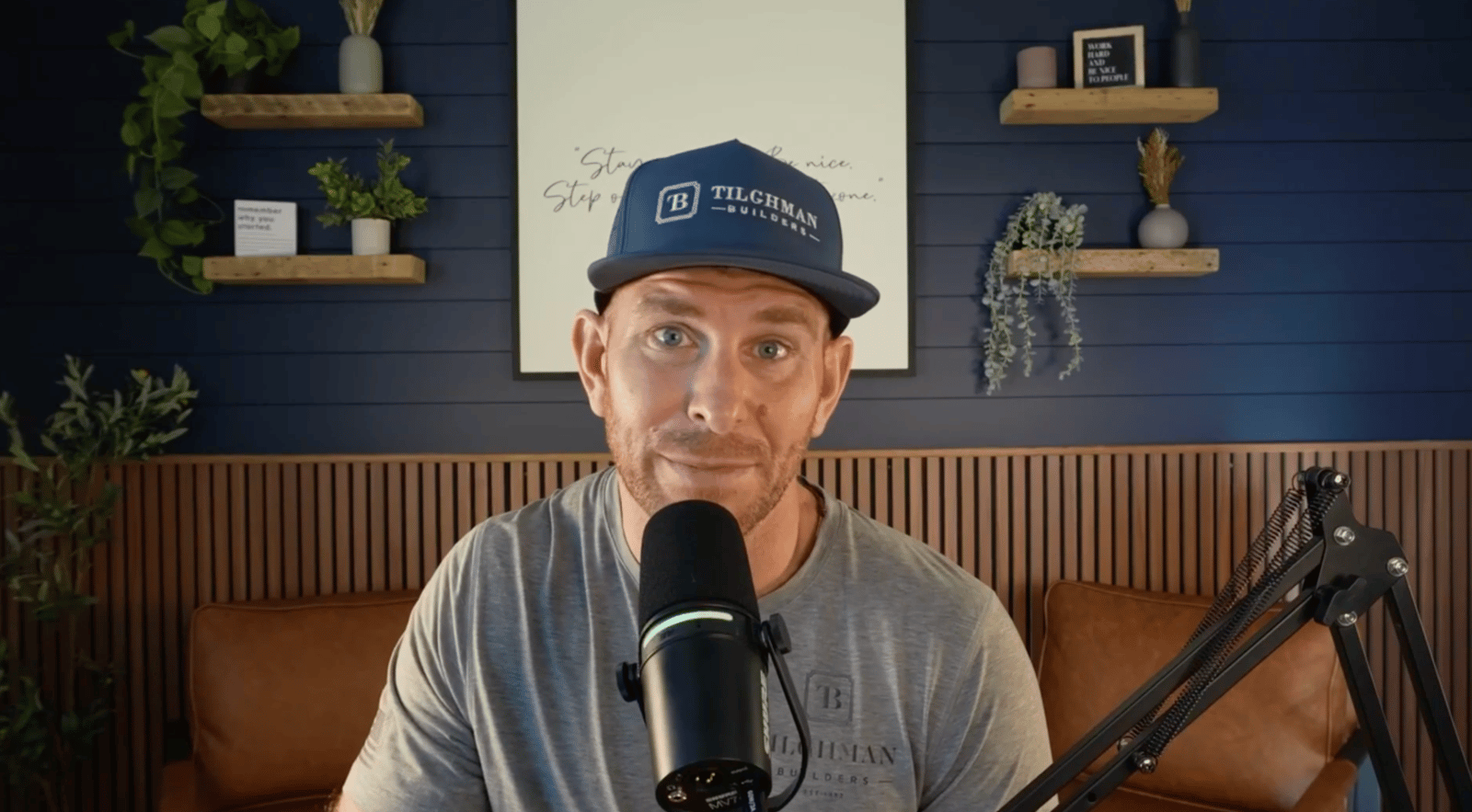
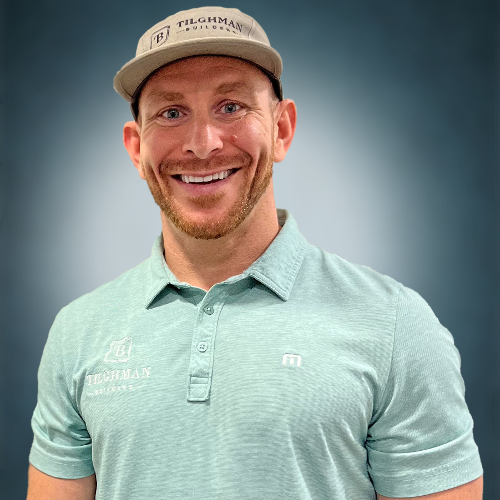
In this episode of the Built Different Podcast, Eric Tilghman, CEO of Tilghman Builders, explores the power of transformational leadership and why great leaders focus on developing people, not just growing businesses.
Eric shares how balancing kindness with accountability, leading by example, and challenging others to reach their potential can transform a company’s culture—and the lives of the people within it.
He also reflects on his own leadership journey, the importance of personal growth, and the ripple effect great leadership can have on employees, families, and communities.
Because building a great company starts with becoming a great leader.
WATCH HERE:
Follow and listen to other episodes here:
 |
 |
 |
Hi, everyone. Welcome back to another episode of the Built Different Podcast. I am your host and the CEO of Tilghman Builders, Eric Tilghman. Today, I want to talk about a leadership style that has become the foundation of how we operate at Tilghman Builders. It is called transformational leadership.
Years ago, when I decided to go on this journey of creating a construction company with a wonderful culture, I did not know anything. I just went with my gut. It felt like the best way to get people to follow me, period. That is what leadership is: getting people to follow you. As leaders, we share the vision and the mission, and we have to be convincing. We have to mean it.
I am glad that, along the way, I have not had to fake this part. It is something I am interested in, and I thought others would be interested in it as well. I did not have a name for it back then. I later learned about transformational leadership in the book Who Not How, which breaks down different leadership styles—not just for one-on-one leadership, but for leading a company as well.
At its core, transformational leadership is about something bigger than building a business. It is about building people. It is about recognizing potential in someone that they might not have found in themselves and helping them become the best version of who they are capable of becoming. I believe most people are capable of significantly more than they are currently achieving. Sometimes, they just need somebody to believe in them, challenge them, or give them an opportunity.
Here, we are not just trying to develop better carpenters, project managers, estimators, or designers. We are trying to develop better human beings, period—better team members, better fathers, and better husbands. The work does not stop when the workday ends. It follows you. We want to make a positive impact on the world, but also on our team members. I want every one of our team members to feel like, “Man, my life has improved ever since I joined this team.” That has always been a thought in my mind, and it has always been a motivator for me.
Jay is not a senior estimator. He is a man with a son and a life outside of here. JP is not an operations manager. He is a man with a wife, a son, and a whole bunch of things he likes to do. He has feelings, extended family, and friends. We are not just who we are at work. So the impact we are trying to make on our team members is one that will affect their family lives and their personal lives. And I mean this: we want it to be one that changes their lives.
It is important to understand that transformational leadership is not about making everybody comfortable. In fact, it is the opposite. Growth requires discomfort. It requires difficult conversations and accountability. It requires pushing people beyond what they thought they were capable of, which means that sometimes you are the bad guy. That is tough.
Leadership is not easy. It always has been tough, and it always will be. Sometimes, it requires telling somebody something they do not want to hear. Kindness without accountability is enabling. Accountability without kindness is intimidation. Great leadership requires both.
And listen, right now, I feel like my leadership is down. The business has pulled me in certain directions, and my leadership has dropped. I can admit that, and my team would probably agree. I recently talked about this with JP, who is close to me. I said, “Hey, I just want to let you know that I feel like my leadership has been down. I am on it.”
I should back up and say that I am not perfect. I am just sharing my journey and what has worked wonderfully for us. I go in waves. I might have been an awesome leader three months ago, but for the last three weeks, I have not been. I am excited for Monday and for the coming months, because I hope to get back in the saddle.
I once heard a quote about a guy who is worried about his waistline. If he is at the gym all the time working out, he actually has nothing to worry about, because he is paying very close attention to it. It is the person on the couch eating Cheetos, who is not worried about it one bit, who should be worried.
I use this line often, and I like to share it with my team. I think it applies to being a father, too. There is dad guilt, and I know there is mom guilt as well. Trust me, I know, because I have a wife who is a mom, and we talk about it. I am always wondering: Am I a good dad? Am I doing a good job? What should I try differently? Should I have handled that differently? Am I being too hard on the kids at soccer practice? But overall, I am a really good dad—and only because I am thinking about it and concerned about being a good dad.
That was a little side tangent, but it applies to leadership. Leadership comes and goes. It is living and breathing, just like company culture. It requires maintenance.
Ultimately, you cannot force somebody to grow. We can create the environment and provide the opportunity, but they have to choose to pursue it. That took me a while to learn. I thought I could change everybody’s life. I thought that if I could just sit people down and talk with them, I would change their lives and they would be forever grateful. That did not happen.
All of our guys love where they work, for sure. For some of them, life has taken a new course forever because they work here. But that is not everybody. For some guys, we came along at the right time, in the right way, for the right person. An opportunity opened up, or certain people were in the company at that time whom they connected with.
One big lesson for me was that you cannot transform everybody. You just cannot. Not everybody wants to find and reach their potential. But transformational leadership still works in a company, even when some people do not want it. Maybe they do not want to become the next Michael Jordan or the next Tiger Woods. They do not have that burning desire. That is still okay, because people like being around people who do, and they like being in a company where you talk about things like that.
Even if someone does not want to become the next MJ, our leadership style throughout the company is still about showing people their personal potential. If somebody does not want to become a complete rock star and take off, that is fine. We take that into consideration when we are trying to figure out their potential. We weigh those things when we have conversations with folks like that. Some guys just want to work. They want to show up, be a good team member, and go home, and that is good. But we have seen a lot of people transform their lives, and it is because of this transformational leadership style.
Because this podcast is geared toward owners—whether you own a company or lead a small team—I feel obligated to say this. This is where I think most business owners get it wrong.
If anything in the company is suffering—any area, any department, a relationship with somebody, or sales—the first place I look is at myself. I promise this is true about me. If you are my friend, a family member, or whoever is watching this, you are about to learn something about me. When the business is suffering in any way, shape, or form, whether it is people, profit, operations, or systems, the first place I look is how I am behaving in the time I spend alone.
Am I reaching for my goals? Am I waking up and fulfilling the promises I have made to myself? If I tell myself, “Tomorrow, I am waking up at 4:30, hitting the gym and the sauna, and getting to work by 8:30,” am I doing it? Am I being careful with my drinking? Is my diet right? Am I prioritizing sleep? Am I putting my clothes out the night before? Am I planning the week ahead? How am I spending my Sundays?
That is the message here: the owner must transform first. A lot of business owners want disciplined, accountable employees who are positive and have a strong work ethic. But are we holding ourselves to those same standards? You cannot demand accountability while making excuses for yourself. You cannot expect emotional maturity if you are constantly losing your temper. You cannot ask people to grow if you have stopped growing. They will not listen. They will not even think it is cool.
Maybe transformational leadership is not the right move for everybody. But I feel like most entrepreneurs are probably like me. I have heard that entrepreneurship is the best self-improvement plan on earth, and after living it for many years, I know that is true. When the business is suffering, I immediately look inward. When my family is suffering in some way, I look inward. If one of my kids is having an upsetting day, I look at what I can control.
As entrepreneurs, that is all we can do. I cannot change the market. I cannot change the economy. I cannot change the weather outside. The only things I can change are my belief structure, how I spend my time, and whether I am living in a positive or negative mental headspace. Those are the things I can control.
If you are an entrepreneur or a dialed-in leader of some kind, you will get that. I am sure you feel the same way. We cannot ask people to grow if we have stopped growing. People want to be around growth, but only if it is real. If I told the guys that they can be anything, do anything, and go super far, but they did not see me doing that, it would be a problem. I want them to believe me, because I want to make a difference in their lives.
The culture of a company will eventually reflect the character of its leadership. I have talked about that before in the “Man in the Mirror” episode. Your company is an absolute reflection of who you are as a person—how you feel, how you think, what you are afraid of, what you are not afraid of, and whether you are risk-averse. If you are a wild cowboy who cannot be tamed, your company is going to be a little bit like that, because you are making decisions every day, every week, and every year, and those decisions turn into something.
That means the owner has to be willing to make sacrifices. First, you have to sacrifice your ego, which is more challenging than people like to admit. Ego is one of those things where people say, “You can make fun of this, and you can make fun of that, but do not go near my ego.” So calm the ego down. Be real. Be normal. It is hard, and you have to watch it.
You also have to sacrifice your comfort. That is a big one. Give up some control. Admit when you are wrong. Work on your weaknesses. Examine your habits and how you handle stress. That is huge. Sometimes, you have to make decisions that benefit people more than your short-term profits.
Company culture is less about what we say and more about what people see us do. I sit on this podcast and talk all about company culture, and sometimes it feels weird to talk about something we are pretty good at. My hope is that this podcast encourages other people to run their businesses in a similar way—putting people first and really caring about their teams. There is a whole lot to it, as you have hopefully discovered by listening.
But it feels weird sometimes, because I know firsthand that it does not matter what you say. This podcast is not meant to convince my team members that I am a good person. I do not talk to my team much about culture. It just shows itself when they have questions or problems. It shows up in the normal, day-to-day stuff.
Jamie was recently on the podcast. She said that she attended her first team meeting and thought it was cool and inspirational, but she was not sure when the bubble was going to pop. She thought, “All right, what is the deal? Eric is that way? Okay, we will see how long he can put on this act.” And look, I am an imperfect human. There are days when I do not behave the way I would like to.
Jamie waited for me to crack. She figured that, eventually, this well-behaved company owner would crack and she would see his true colors. Over time, that did not happen. At this point, Jamie knows my true colors. Are they awful? No. Does she still work here? Yes. Do we have fun? Yes, we do. Have there been problems I have had to address? Of course. But we have to show people who we are. You cannot fake it.
I want everybody to recognize that becoming a better leader requires becoming a better person. Everybody wants to build a great company, but not everyone is willing to become the person capable of leading one.
If I can get vulnerable for just one second, I will be totally honest. Sometimes, I look around at the company and the responsibilities I have today, and I know I cannot go back now. If I need to go to the next level or clean up some area of my life, I have to take massive action. I do not get to be a slouch.
If I could go back in time, would I change it? Honestly, I do not know. It depends on the day. On a day when I am tired, the responsibilities are big, the scary things are scary, and the stress is high, I might say, “If I could go back to being a carpenter without the big team and everything that comes with it, maybe.” But I am glad I do not get to quit.
I see it as an act of God. If I am being perfectly honest, when I am alone and facing those thoughts, I immediately think, “This is God’s plan for me.” No matter how hard it gets, that is just what it is, and I have to complete the mission.
So let me say it again: Everybody wants to build a great company. Not everybody is willing to become the person capable of leading one. It all starts with you—all of it.
I hope somebody out there is latching onto this podcast. I hope some business owner somewhere is listening. If you are, let me know. It would really pump me up to know you are actually listening. If you can just hear that, it is massive. Take it from me: it is true.
Back to transformational leadership. I want to say again that this is not soft leadership, especially in construction. There is an old-school mentality that leadership requires being tough, being feared, and being the boss. I do not believe fear creates great teams. It just does not. Trust does. Genuine care does. I believe in holding people to high standards because you care about their future.
That is the reason. It is not to get more out of them. If we change the way we look at it, feedback is not about needing a different result. It is about wanting to see someone reach their potential because you really care about them. I am not saying I am perfect at that. I can get frustrated before giving feedback. JP gave me that advice, and it was great. He observed me well and gave me really good advice as a result.
You can be kind and still be demanding. You can be compassionate and still hold people accountable. You can care deeply about someone and still tell them that they are not meeting expectations. Caring about people does not make you a weak leader. It makes you a great leader and an effective one.
I care about the safety, health, well-being, and happiness of every one of my team members—100%. I am certain they feel that, and that is the point. It does not matter that I am saying it on this podcast. All that matters is what they feel.
Great leaders develop people who do not need them. That is another thing I have learned. Great leadership is not about being the most important person in the room. It is about developing other people into leaders—giving them responsibility, allowing them to make mistakes, letting them make decisions, and sometimes accepting that they might eventually become better at something than you are. Your job is not to be indispensable. Your job is to make other people capable.
That is how you build a company that can grow beyond you, and that should be the goal of every company. Otherwise, it becomes a lifestyle business, where the business exists just to serve you and nobody else. I do not know how to be a leader in a lifestyle business. I do not know how you convince people to follow you, show up to work, and do a great job. I do not think it is possible. You can get to a certain point with a lifestyle business, but eventually, it needs to become a legacy business—one that is bigger than you and more about the people than it is about you.
I feel way less important now than I used to, and that is just what it is. I still have a lot of important jobs at the company. I do 100% of the sales, which is really important. I look at strategy and things that are going wrong, and I try to see problems before they come—not day-to-day problems, but where we are going as a business and whether we should keep going that way or shift. But when I am in the room with all the field guys, they do not see me as the most important guy. I am used to it now, but it took a little getting used to.
What really excites me about transformational leadership is the ripple effect. When you help someone become more disciplined, confident, accountable, and emotionally mature, they bring those qualities home. Their children benefit, their marriage benefits, and their community benefits. Eventually, they begin influencing other people.
That is what I love thinking about. Before I knew the term “transformational leadership,” this was just a gut feeling. I just wanted to do this. I felt called to do this.
Take a second and think about the ripple effect. They go home and talk to their kids in a different way. They show them a different way. Then those kids grow up and have kids of their own. Those kids have friends, it rubs off on the friends, and it keeps going—boom, boom, boom.
It sounds super corny, but I am dead serious. I want to make a positive impact on the world, period. I just do, and I want to come out and say that. That is what motivates me 100%. Transformational leadership is how I have decided to run this company, and now it is here to stay.
I do not have to do much to make sure it continues. The guys love the culture, and our leadership takes the same approach. I love considering the fact that working here might change somebody’s entire family tree forever. I cannot see past that. It excites me and makes me feel good. Even though it can get really hard sometimes, that is what motivates me and keeps me going through the hard times. It is a responsibility I do not take lightly.
We build beautiful homes. That is what our customers pay us to do. But I believe the most important thing we will ever build is our people. I mean that.
That starts with me. I have to hit my marks and practice what I preach. It is a lot of pressure. I can never quit, because if I quit, I would be letting down so many people. There are times when my workouts go in swings and I am not attacking them the way I once was. I do not let that go on for too long, because eventually it will trickle into my leadership and down through my team. I firmly believe it will eventually reach somebody who is going to teach their kids, and the ripple effect will not reach them as well as it could have otherwise.
We are not trying to build a different kind of company. We are trying to build a different kind of person. I think that is what it means to be built different.
That is it for today, folks. As always, thank you so much for staying tuned. Stay positive, be nice, and step out of your comfort zone. Bye.