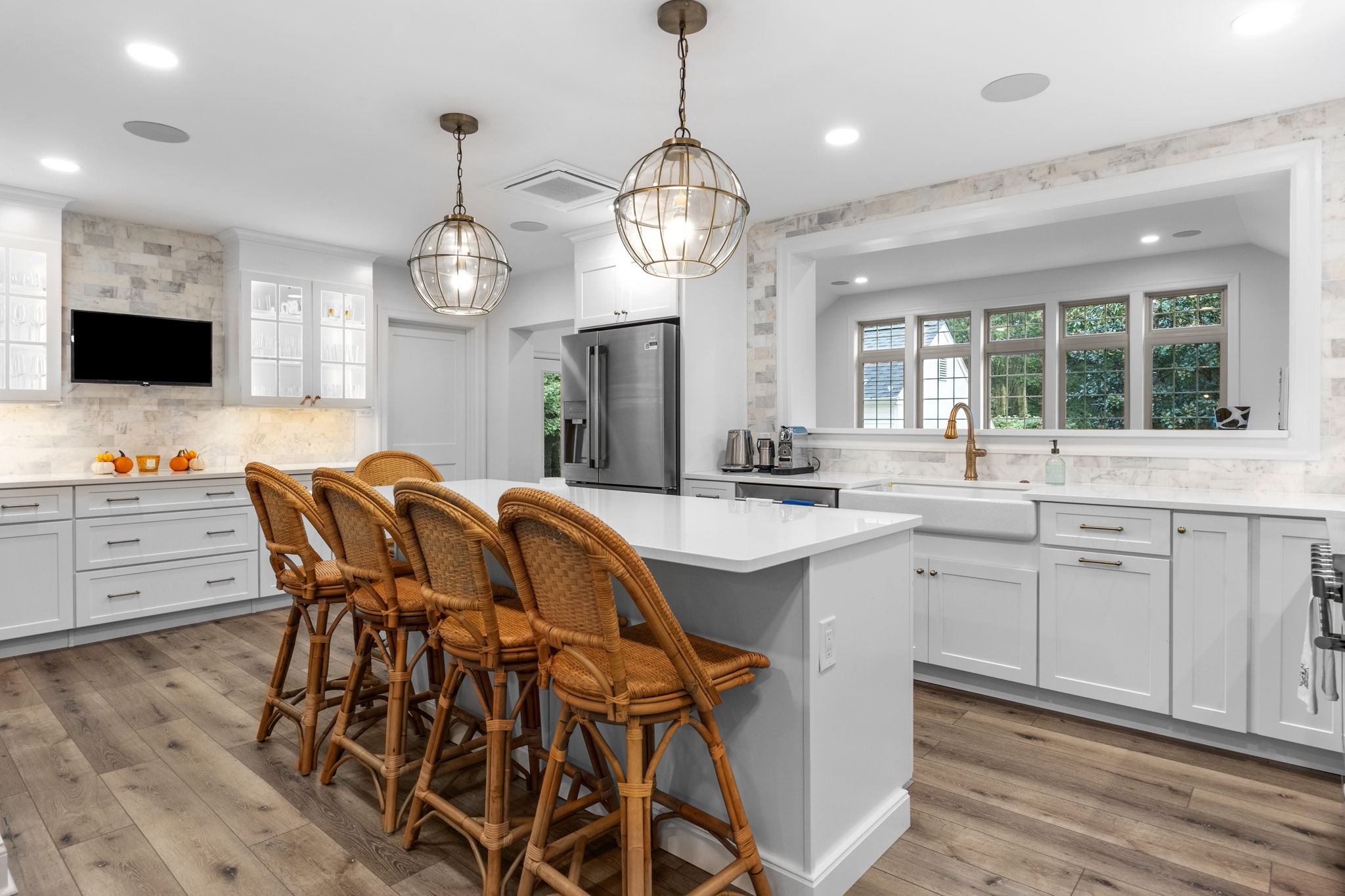



Remodeling your home in phases is a practical way to improve how you live without taking on everything at once. But when updates happen over time, especially when building an addition to a home or planning future changes, it’s easy for the house to lose its sense of unity.
Styles evolve, and new spaces can start to feel disconnected from the original structure. A cohesive approach ensures every remodel or addition builds on what’s already there, creating a home that feels balanced and designed as a whole rather than pieced together.
Many homeowners face the challenge of updating rooms over time without a unified plan. Below, we’ll walk you through the process of connecting your remodel with the rest of your home for better flow.
Understand Your Home’s Overall Style
Before starting any renovation, take a good look at your home’s existing style. Understanding your house’s character makes it easier to plan updates that fit naturally. Consider the following:
- Architectural details matter: Notice crown molding, wainscoting, window shapes, or ceiling heights. These elements often dictate what will feel harmonious in new spaces.
- Define your baseline design direction: Are you leaning toward modern, traditional, transitional, or farmhouse? This choice guides key selections throughout your home, such as furniture, finishes, and accent details.
- Original character counts: Identify features that make your home unique, even if it has had previous updates. Retaining a few key original details, like a vintage staircase or decorative molding, can help keep new additions feeling authentic.
Take time to walk through your home and make notes and even photograph key elements. You’ll be surprised how often small details set the tone for a room or an entire home.
Build a Whole-Home Design Plan (Even if You Remodel in Phases)
Even if you’re doing a phased remodel, it’s smart to plan for the long term: this vision keeps your home feeling connected and prevents expensive or awkward fixes later. You don’t need to know every detail of future remodels, but having a framework ensures each new space complements the rest of the house.
Start with a vision board or style guide. Collect photos, fabric swatches, paint chips, and flooring samples, and include ideas for furniture styles, cabinetry, lighting, and hardware. A clear visual guide helps you maintain continuity, even if you remodel one room at a time.
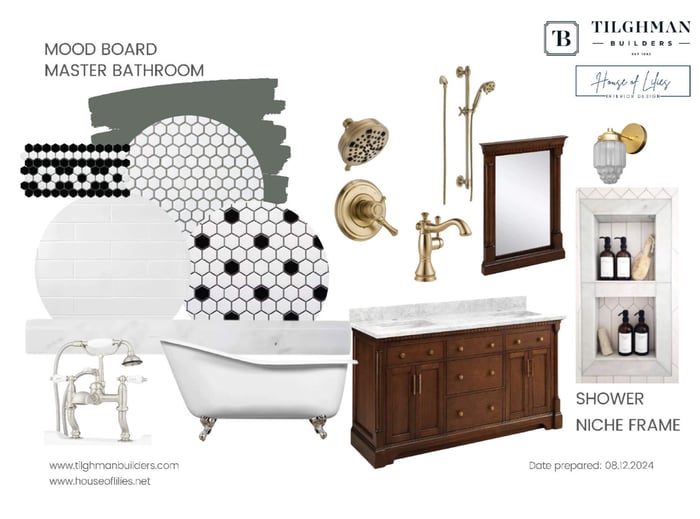
Choosing core materials, colors, and finishes upfront is especially helpful when building an addition to a house. For example, using the same hardwood flooring or trim profile throughout makes different phases feel like one seamless design.
Planning ahead can also guide choices for major structural elements. If you’re framing or roofing an addition, you’ll want to select key elements — exterior siding, rooflines, window styles — that align with the current home.
Additionally, creating a plan helps avoid design overload. When each decision builds on the last, you prevent clashes between finishes and colors or layouts. Even if you can’t remodel the whole home at once, this strategy keeps your design consistent and allows each update to feel intentional rather than piecemeal.
Tips for Keeping a Consistent Design Flow When Remodeling One Room at a Time
Consistency is key when remodeling in phases. Small decisions in one room can affect the feel of the entire home. Here’s how to make sure each space connects smoothly:
- Avoid overly trendy choices: A bold, trendy color or material might feel exciting now, but it may clash with future remodel phases. Stick to timeless finishes that can evolve with your home.
- Keep lighting styles cohesive: Fixtures don’t have to be identical, but scale, finish, and design style should all align. Mixing styles too freely can make spaces feel disjointed.
- Maintain similar door and window styles: Keeping paneling, trim, window grids, and other components consistent ensures additions and remodeled spaces feel like part of the original home.
- Repeat key materials: Using the same flooring, cabinetry style, countertops, and other materials across rooms ties spaces together visually. Even small repeated elements, like door hardware or light fixtures, help maintain flow.
- Stick to a defined color palette: Choose a base palette for walls, trim, major finishes, and similar areas. Add accent colors sparingly so rooms feel coordinated — but not identical.
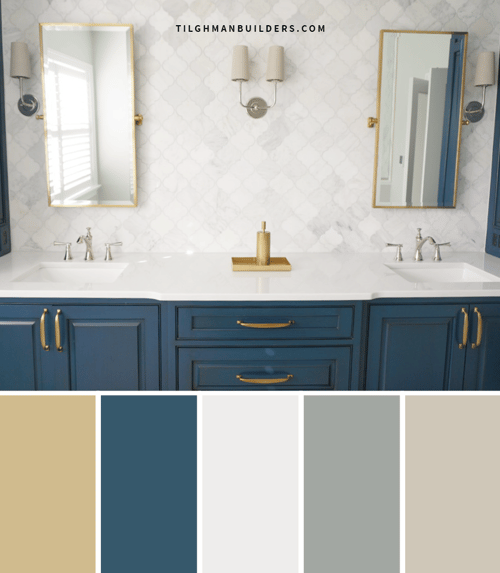
Use Transitions to Connect Old and New Spaces
Transitions are where cohesion really comes to life: they help different rooms and remodel phases feel intentional and unified.
Flooring is one of the easiest ways to create a seamless transition. Continuing the same hardwood or tile across multiple rooms creates visual continuity, while a well-chosen threshold or transition strip can ease changes between different materials.
Trim and molding continuity also reinforces flow. Matching baseboards, crown molding, door casings, or wainscoting gives even new additions a sense of permanence.
Consider sightlines as well: open doorways, archways, strategically placed windows. These all help the eye move naturally from one space to another. In a single-story house addition or a larger remodel, maintaining clear sightlines prevents spaces from feeling isolated or disconnected.
Even small architectural cues, such as a consistent ceiling height or a repeated window grid pattern, can help tie old and new spaces together.
Balance Cohesion With Personality
Cohesion doesn’t mean removing any trace of personality. Your home should still reflect your style and character, but the trick is to introduce accents without disrupting the overall design flow.
Here’s how to balance cohesion with personality:
- Add accent features thoughtfully: Use colorful tile backsplashes, bold light fixtures, statement walls, or high-contrast textiles to give rooms character.
- Ensure accents complement the overall palette: Choose colors and materials that enhance cohesion rather than clash with other remodel phases.
- Repeat small details across rooms: Hardware, trim color, accent fabrics, and wall treatments can provide a subtle thread of personality throughout your home.
- Use focal points strategically: Let unique features, like a fireplace surround or a playful backsplash, shine without overwhelming the room.
When done thoughtfully, these strategies let each room feel welcoming and uniquely yours while maintaining a smooth flow with the rest of your home.
Partner With a Design-Build Team
Working with a design-build team helps tie remodels into the rest of your home. Professionals guide decisions for current and future phases, reducing guesswork and costly mistakes, like replacing materials twice or ending up with mismatched rooflines and exterior materials.
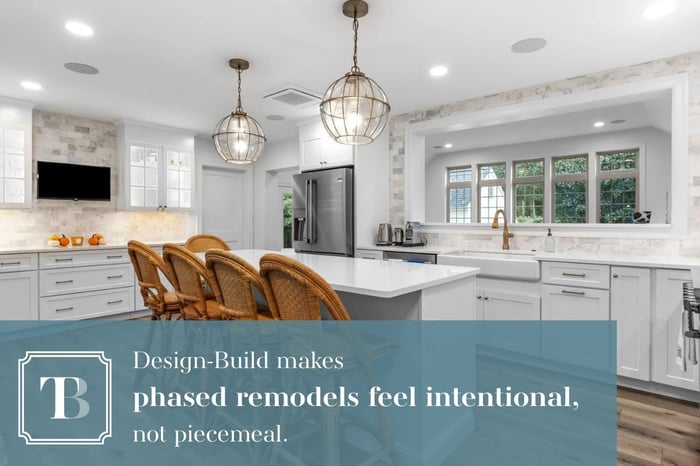
A design-build team can plan for phased remodels while maintaining a unified style and handling complex updates. This helps ensure that materials, finishes, textures, and architectural details flow seamlessly, while also providing you with guidance without disrupting your existing spaces.
Partnering with experts saves you time and ensures your remodel and any future additions to existing homes meet both aesthetic and functional goals.
Enhance Livability and Resale Value With Cohesive Remodeling
A cohesive remodel goes beyond looks. It improves how your home functions and increases resale appeal. Spaces that feel connected make your home feel larger and brighter, creating a more welcoming atmosphere. Buyers notice thoughtful transitions and consistent finishes that form a unified style.
Even if you’re making changes to your home in stages, a connected approach ensures every update contributes to a stronger overall design. Planning ahead — colors, materials, finishes, accents — pays off in livability and value.
Ready to make your home feel intentional and inviting? Download our Guide to Livable Remodeling for more practical tips and inspiration, and consult Tilghman Builders for phased remodels. Our team helps PA and NJ homeowners create spaces that flow beautifully, now and in the future.